Federated Manufacturing Network
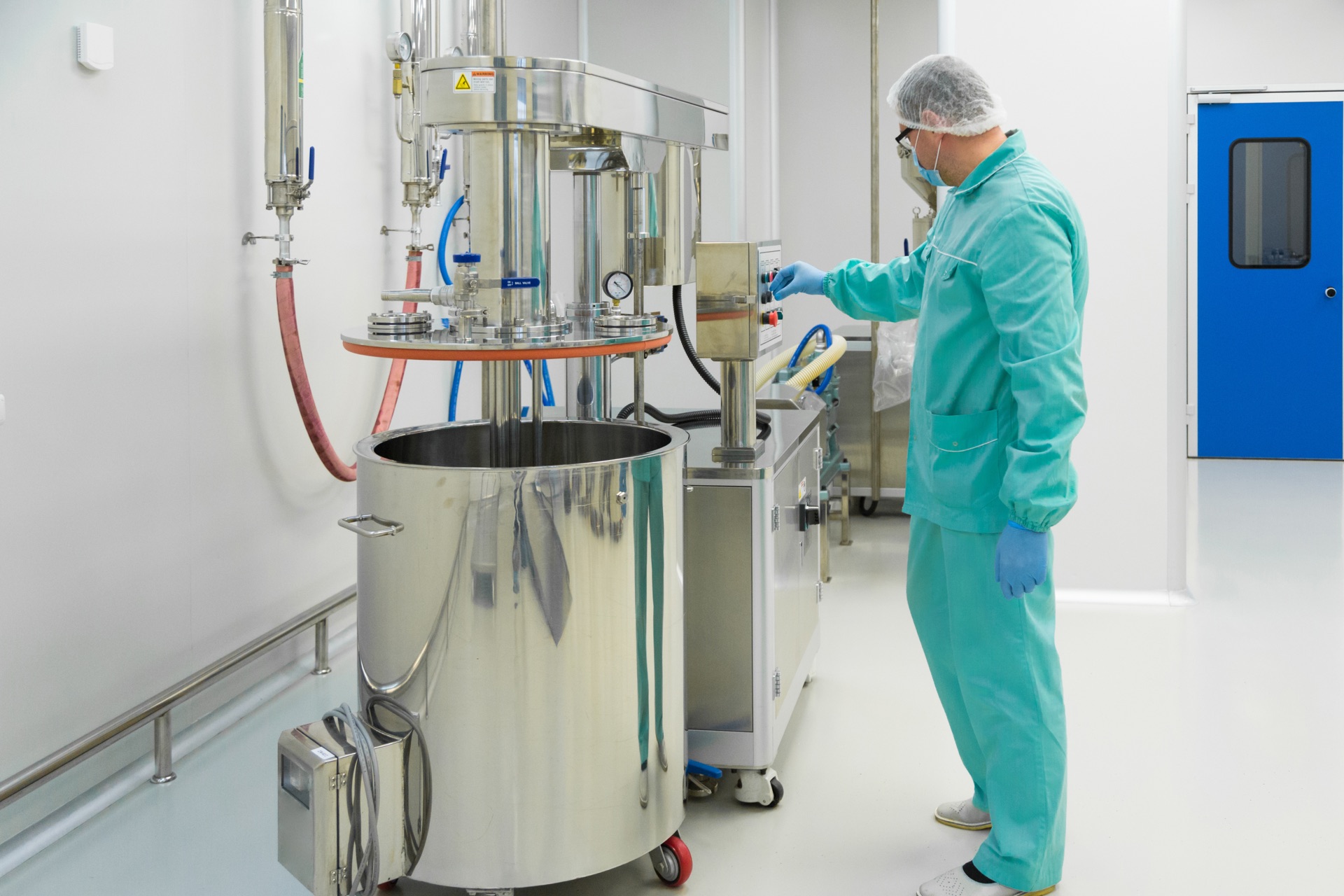
Traditional single-center manufacturing models produce capacity bottlenecks, geographic limitations, and supply disruption risks. The federated model distributes manufacturing across geographically dispersed nodes while keeping quality and standardization under one roof.
How the Federated Model Works
Centralized Quality Layer
Harmonized SOPs, a single quality system, release testing coordination, and an audit program — all nodes are bound to the same standard.
Manufacturing Node A
Regional GMP cell manufacturing
Manufacturing Node B
Vector manufacturing coordination
Manufacturing Node C
Cryopreservation and fill-finish
Chain of Identity / Chain of Custody Layer
Each cell product is tracked with identity and custody chains from the moment of collection to infusion. Barcode/RFID-based tracking, electronic chain documentation, and a point-of-detection feedback loop.
Why a Federated Model?
Nodes operate in parallel; lead times shorten, and per-patient manufacturing schedules become predictable rather than dependent on a single center.
Adding new nodes increases capacity linearly; programs grow without needing to rebuild investment from scratch.
Manufacturing close to the patient reduces the need for long-distance cell transport and cryogenic logistics risk.
Even if one node is disrupted, the network continues to operate; a single-center failure does not halt the entire program.
The Cryogenic Chain Never Breaks
Cell and gene therapy products are unforgiving of time and temperature. Across the network; validated dry shippers, continuous temperature logging, route planning, and customs/regulatory permit coordination are managed from a single point.
The logistics operation works integrated with the IMP depot, temperature-controlled storage, and distribution infrastructure. Every shipment is received and reported by qualified personnel per protocol requirements.